Catching a Neighbour: My DSLR Shot of the Andromeda Galaxy
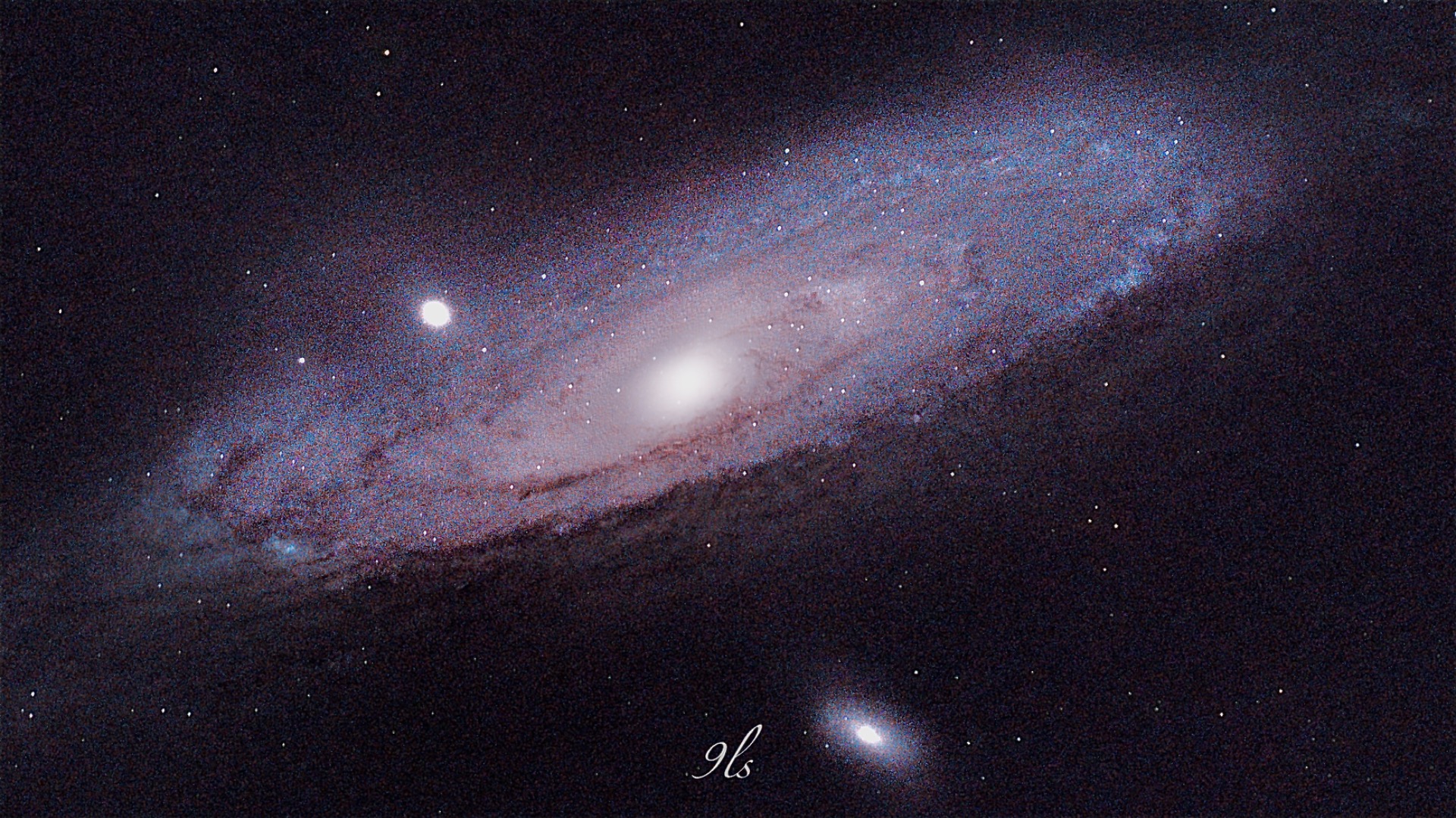
The Andromeda Galaxy, our closest galactic neighbour, a massive spiral galaxy containing about one trillion stars. What makes this image so fascinating isn't just what you see, but when you're seeing it. The light captured in this shot has traveled 2.5 million years to reach my camera's sensor. That means I'm not seeing Andromeda as it is today—I'm seeing it as it was when early humans were just beginning to make tools. Every photon in this photo is a tiny time capsule from the distant past.
Andromeda, also known as M31, spans about 220,000 light-years across, making it even larger than our Milky Way. In about 4 billion years, it's expected to collide and merge with our own galaxy, forming a new one often nicknamed Milkomeda.
Capturing it with a regular DSLR proves you don't need a telescope to touch the stars—just clear skies, persistence, and a passion for the universe.
Thanks for reading — and clear skies!
Equipment and settings:
Camera: Canon EOS 90D
Star tracker: Sky-Watcher Star Adventurer GTi
Focal-length: 290 mm
ISO settings: 800
Exposure: 60 seconds
Total images: 124
Total exposure time: 7440 seconds
Bortle: 5.9
Stacking software: Siril
Editing software: GIMP